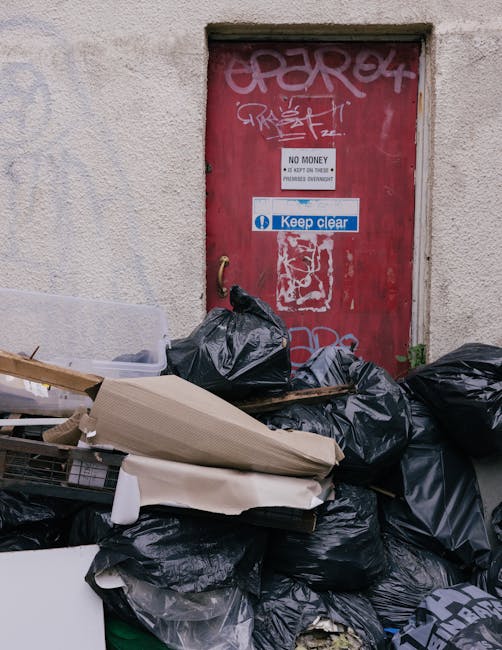
What Hoxton residents need to know about Hackney rubbish rules
If you live in Hoxton, rubbish rules can feel deceptively simple right up until the kerb is crowded, the black bags are overfilled, and the wrong thing ends up on the pavement. Then it becomes very real, very quickly. This guide to What Hoxton residents need to know about Hackney rubbish rules breaks down the basics in plain English, with practical examples you can actually use. Whether you are sorting household waste, dealing with bulky items, or planning a clear-out after a renovation, the aim here is to help you avoid common mistakes and keep things tidy, legal, and as hassle-free as possible.
Hoxton sits right on the edge of busy London living: flats, conversions, shared bins, tight streets, and not a lot of forgiveness when waste is put out badly. That is exactly why getting the rules right matters. It saves time, reduces fly-tipping risk, and usually means less stress for everyone on the street. Let's face it, nobody wants to be the neighbour whose bin bags are left split open by foxes at 6 a.m.
Table of Contents
- Why these rubbish rules matter in Hoxton
- How Hackney rubbish collection and disposal works
- Key benefits and practical advantages
- Who this is for and when it makes sense
- Step-by-step guidance
- Expert tips for better results
- Common mistakes to avoid
- Tools, resources and recommendations
- Law, compliance, standards and best practice
- Options, methods and comparison table
- Case study or real-world example
- Practical checklist
- Conclusion
- Frequently asked questions
Why these rubbish rules matter in Hoxton
Waste in Hoxton is not just a household chore. It affects street cleanliness, pest control, accessibility, and how liveable the area feels from one week to the next. When bags are left out on the wrong day, mixed with the wrong materials, or abandoned beside a full communal bin, they create a ripple effect. One missed collection can turn into a small pile, and that pile can turn into a problem for the whole building.
Hoxton residents also deal with a few local realities that make rubbish rules more noticeable than in quieter areas. Streets can be narrow. Pavements can be busy. Space inside flats is limited. If you have ever tried to squeeze cardboard, old furniture, and general rubbish down three flights of stairs on a wet Tuesday evening, you know the feeling. It is not glamorous. It is not fun. And it definitely teaches you to plan ahead.
Understanding the rules helps you avoid penalties, protect shared spaces, and reduce the chance of items being refused or left behind. It also helps if you are comparing disposal options, because the cheapest choice on paper is not always the cheapest in reality. A bad disposal decision can mean extra trips, extra labour, and more mess.
Practical takeaway: In Hoxton, good rubbish management is really about timing, sorting, and space. Get those three right and most of the stress disappears.
For larger clear-outs, residents often look at services such as rubbish removal or domestic skip hire when household waste becomes too much for standard bins. That decision usually comes down to volume, access, and how quickly you need the waste gone.
How Hackney rubbish collection and disposal works
At a basic level, Hackney rubbish rules are designed to separate regular household waste from recyclable materials and from larger or specialist items. Most residents use a combination of wheeled bins, recycling containers, scheduled collections, and occasional special disposal arrangements for bulky waste or awkward materials.
In practice, that means you need to think about four things before you put anything out:
- What type of waste it is - general rubbish, recycling, food waste, garden waste, or bulky items.
- How it should be contained - bin, sack, box, bundle, or separate collection.
- When it can go out - usually collection day rules matter a lot.
- Whether it needs a special service - some items cannot just go in a black bag.
Shared buildings in Hoxton often face extra issues because bin storage space is tight and residents rely on everyone following the same system. One person's loose cardboard, for example, can blow across a courtyard and make the whole place look untidy in minutes. Truth be told, waste rules work best when everyone is a little more disciplined than they think they need to be.
If you are dealing with renovation leftovers, builders' waste, or a clear-out from a flat refurb, a more suitable service may be needed. Pages like builders waste removal, builders skip hire, and construction waste disposal can be relevant when ordinary household collection is not enough.
What usually causes confusion
The biggest source of confusion is not the existence of rules, but the overlap between them. For example, cardboard is recyclable, but only if it is prepared properly. A broken chair is bulky waste, but if it is part wood, part metal, and part upholstery, the disposal route may differ. Food waste is one thing; food containers are another. And anything hazardous needs extra care. Easy? Not always. Manageable? Yes, absolutely.
Key benefits and practical advantages
Following rubbish rules properly does more than keep the council happy. It makes everyday life simpler, especially in a busy neighbourhood like Hoxton where shared spaces and limited storage are part of normal life.
- Cleaner communal areas: Fewer bags left on floors or in stairwells.
- Less pest activity: Properly contained waste is less likely to attract foxes or rodents.
- Fewer neighbour disputes: A shared bin system works better when everyone follows the same basics.
- Lower risk of rejected collections: Mixed or overflowing waste is more likely to be left behind.
- More efficient clear-outs: You spend less time guessing what goes where.
There is also a very practical money angle. If your waste is sorted correctly, you are less likely to need repeat collections or emergency last-minute disposal. That matters when you are juggling moving day, a tenancy end clean, or a weekend home project. Nobody needs another surprise expense, especially not a rubbish-related one.
For larger or mixed waste loads, residents often compare methods like skip hire, grab hire services, and wait and load skip hire. Each has a different advantage: one is better for ongoing projects, one suits heavy waste with limited access, and one works well when you do not want a skip sitting outside for long.
Who this is for and when it makes sense
This guide is for Hoxton residents in almost any living situation, but it is especially helpful if you:
- live in a flat or apartment with shared bins
- are moving in or out of a property
- have accumulated bulky household waste
- are clearing a loft, garage, or storage area
- have just finished a DIY project or minor refurbishment
- run a small business from home and generate mixed waste
It also makes sense if you have ever stood in a hallway with an old mattress and thought, "Right. And now what?" That moment is usually the sign that regular bin collection is no longer the right tool for the job. For items such as mattresses, sofas, appliances, or mixed furniture, services like mattress and sofa disposal and fridge and appliance removal can be much more practical.
In commercial settings, the needs are different again. A cafe, small office, or workshop in the area may need a more structured approach to waste removal, especially if the waste stream changes from week to week. In those cases, commercial skip hire or office clearance may be more appropriate than standard household arrangements.
Step-by-step guidance
Here is a straightforward way to handle rubbish properly in Hoxton without overcomplicating things.
- Identify the waste type. Separate general rubbish, recycling, food waste, bulky items, and anything hazardous.
- Check the size and weight. A few black bags are one thing; a broken wardrobe is another. Be realistic here.
- Match the disposal method to the waste. Use regular bins for routine waste, arrange special collection for bulky items, or look at a skip or grab option for larger jobs.
- Prepare the waste correctly. Flatten cardboard, drain containers if needed, and bundle items safely where appropriate.
- Think about access. Hoxton streets can be tight. If a large vehicle or skip may be awkward, plan that early rather than on the morning of the job.
- Book in advance when possible. Peak times fill quickly, especially around moving periods and refurbishment work.
- Keep hazardous items separate. Do not mix them in with ordinary household rubbish.
If your job involves tight access, short time windows, or a property where a skip would be inconvenient, a service like same day skip hire or man and van can sometimes be a better fit. If space is extremely limited, enclosed and lockable skip hire may also be worth considering for extra control and security.
A simple rule of thumb
If the waste is ordinary, contained, and small enough for your normal collection system, keep it in the normal route. If it is bulky, awkward, heavy, mixed, or time-sensitive, switch to a specialist service. That one habit prevents a surprising number of headaches.
Expert tips for better results
There are a few habits that make rubbish disposal much easier in Hackney, especially in a place like Hoxton where space is tight and people notice clutter fast.
1. Sort before you carry. Do the sorting in the flat, not at the street. Once everything is outside, the mess is already spreading.
2. Break down bulky items early. Flat-pack furniture, cardboard boxes, and some light fixtures take up far less room once dismantled. This sounds obvious, but people forget. Often.
3. Keep a separate bag for "uncertain" items. If you are not sure whether something is recyclable, hazardous, or bulky, set it aside until you can verify the right route. Better than guessing.
4. Use the right service for the job. A small project may only need household sorting, while a loft clearance may need a dedicated service like garage and loft clearance or house clearance.
5. Plan around access and neighbours. Early morning collection can be fine in some streets and a nuisance in others. Be thoughtful. The difference shows.
6. Prioritise recycling where practical. Many people in Hoxton are trying to reduce waste, and rightly so. Services such as recycling and sustainability can help you think through better disposal habits over time.
Small planning beats big clean-up. Every time.
A sensible approach also helps when you are comparing cost and convenience. Sometimes a slightly more suitable disposal method ends up being the less expensive choice overall because it avoids wasted effort, missed collections, and repeat handling. That is the boring truth, but a useful one.
Common mistakes to avoid
Most rubbish problems in residential areas start with a small assumption. One item is left "just for a minute." Another is put in the wrong pile. Before long, you have a mess and nobody is entirely sure who started it. Classic.
- Overfilling bins: Lids that cannot close properly often create collection issues and attract pests.
- Leaving waste out too early: Street clutter can become a nuisance long before collection day.
- Mixing hazardous items with normal rubbish: This can be unsafe and may affect disposal options.
- Ignoring access restrictions: A skip or vehicle that blocks the wrong thing can cause real problems in dense streets.
- Assuming all bulky waste is the same: Furniture, white goods, and renovation waste can all need different handling.
- Forgetting to check what can go in a skip: If you are using one, read the rules first. It saves an awkward conversation later.
That last point is worth stressing. If you are considering a skip, review what can go in a skip before loading it. It is one of those small steps that feels unnecessary until you need it. Then it feels obvious.
Another frequent mistake is underestimating how quickly waste builds up during a home project. A single shelf removal turns into plaster dust, packaging, broken fixings, and a pile of odds and ends. It snowballs fast.
Tools, resources and recommendations
You do not need a complicated system to manage rubbish well. A few basic tools make a big difference.
- Sturdy refuse sacks: Useful for general waste, but avoid overloading them.
- Cardboard cutters or a good utility knife: Handy for flattening packaging safely.
- Gloves: Simple, practical, and worth having when handling sharp or dirty items.
- Labelled containers: Great for separating recycling, mixed waste, and items to donate or reuse.
- Tape and straps: Useful when bundling furniture or boxes for removal.
If you are planning a larger job, it can help to compare services in advance. For example, skip sizes and prices can help you gauge what size is sensible, while pricing and quotes is useful when you want a better feel for likely costs before committing.
Some residents also benefit from more specialised disposal support:
- garden waste removal for pruning, soil, and green debris
- hazardous waste disposal for problematic materials
- house clearance for full-property clear-outs
- waste recycling services for a more sustainability-focused approach
If you are dealing with heavy soil, rubble, or demolition debris, different logistics may be needed again. That is where muck away services and demolition waste removal can be more appropriate than a general rubbish route.
Law, compliance, standards and best practice
Waste disposal is not only about tidiness. There are legal and practical expectations around how waste is stored, separated, moved, and handed over for collection. While the exact rules can vary by waste type and collection method, the broad principle is simple: do not leave waste in a way that creates danger, obstruction, or illegal dumping risk.
For Hoxton residents, the most important compliance habits are usually these:
- use authorised disposal routes for waste that is not suitable for normal household collection
- keep hazardous items separate and handled with extra care
- avoid fly-tipping, even temporarily
- do not overfill bins or place waste out in a way that blocks pavements or entrances
- follow permit requirements when placing a skip on the public highway
That permit point matters more than many people expect. If you are planning to place a skip in a restricted or public location, you may need to consider skip hire permits or skip permits, depending on the project and the placement. It is much better to check first than to sort out the consequences after the skip is already sitting there looking innocent.
Best practice also means making the waste stream as clean as possible. Clean, separated loads are easier to process and less likely to cause problems. That is good for compliance, but it is also good for the environment and for your own peace of mind.
Options, methods and comparison table
Choosing the right waste disposal method depends on what you are getting rid of, how fast it needs to go, and how much access you have. Here is a simple comparison to help Hoxton residents make a sensible decision.
| Method | Best for | Strengths | Limitations |
|---|---|---|---|
| Standard household bin collection | Everyday rubbish and routine recycling | Simple, familiar, built into local routines | Not suitable for bulky, heavy, or mixed project waste |
| Rubbish removal | Mixed household waste, awkward items, quick clear-outs | Convenient, less manual handling for you | May cost more than doing it yourself for small loads |
| Skip hire | Medium to large volumes, ongoing jobs, refurb waste | Good for bigger projects and repeated use | Needs space and sometimes permits |
| Wait and load | Short jobs in tight streets or where space is limited | Fast, no long-term skip on site | Requires you to load within the agreed time window |
| Grab hire | Heavy or bulky waste with vehicle access | Efficient for large loads and awkward materials | Needs suitable access and planning |
For many Hoxton properties, the real decision is between convenience and access. A skip is useful if you have time and space. A direct removal service is useful if you do not. If you are still unsure, the shape of your waste pile usually gives the answer. Tiny bags? Normal bins. Half a room's worth of mixed stuff? You probably need a specialist option.
Case study or real-world example
A typical Hoxton scenario goes like this. A couple in a third-floor flat finally decide to clear out their spare room before a move. At first, it seems manageable: a broken desk, two chairs, a few bags of old clothes, packaging from flat-pack furniture, and a mattress that has long outstayed its welcome. Then they open the cupboard. Then another cupboard. Then the pile becomes "more than we thought," which is a phrase that appears in almost every real-life clear-out.
They start by sorting the waste. Clothes and donate-able items go one way. Cardboard is flattened. The mattress is separated. The furniture is assessed for removal. By the time they have finished, it is obvious that regular bin collections will not be enough. A mix of mattress and sofa disposal, man and van, and a broader clear-out service would be more sensible than trying to drag everything downstairs bit by bit.
What made the difference? Planning. Nothing glamorous. No magic trick. Just sorting early, choosing the right disposal method, and not pretending the problem was smaller than it actually was. They got the flat cleared without turning the hallway into a battlefield. Which, if you have ever lived in a narrow London building, counts as a win.
This is a common pattern for Hoxton residents: the waste problem is usually less about volume alone and more about volume plus access. Once you accept that, the right answer becomes much clearer.
Practical checklist
Use this checklist before you put waste out or book a disposal service.
- Have I sorted waste into the right categories?
- Are any items too bulky for standard collection?
- Do I need a permit or special arrangement for placement?
- Have I checked whether anything is hazardous or restricted?
- Is the waste packed safely and securely?
- Will the chosen method fit the access at my property?
- Have I compared household collection with a specialist option?
- Have I flattened or dismantled items where sensible?
- Have I kept recycling separate from general waste?
- Do I know what to do with anything that cannot go in a skip?
If your answer to several of these is "not yet," that is fine. Better to pause for ten minutes than to create a much bigger clean-up later. Seriously, a small pause can save a lot of faff.
Conclusion
For Hoxton residents, rubbish rules are really about making daily life easier, safer, and less chaotic. Once you understand how waste needs to be sorted, when specialist disposal makes sense, and where permits or access issues can trip you up, the whole process becomes much simpler. A bit of planning goes a long way in a busy part of London.
Whether you are clearing out a flat, dealing with renovation debris, or just trying to keep shared bins under control, the main thing is to match the waste to the right method. That is the core of What Hoxton residents need to know about Hackney rubbish rules: not just what the rules are, but how to use them without making your week harder than it needs to be.
If you are weighing up the best disposal option for a larger job, compare access, volume, timing, and the type of waste before you decide. That simple habit usually points you in the right direction.
Get a free quote today and see how much you can save.
Frequently Asked Questions
What rubbish can Hoxton residents put out with regular collection?
Regular collection is usually suitable for everyday household waste and the recyclable materials accepted by the local system. The safest approach is to keep general waste separate from anything bulky, hazardous, or unusually heavy. If in doubt, treat it as a special disposal item rather than guessing.
Can I leave rubbish out early if I am busy on collection day?
It is usually better not to leave waste out too early, especially in a busy street or shared courtyard. Early placement can create clutter, attract pests, and annoy neighbours. A short wait is usually cleaner and more considerate.
What should I do with bulky items like a mattress or sofa?
Bulky items often need a dedicated removal route rather than a normal bin collection. Services such as mattress and sofa disposal or a broader rubbish removal option are often the most practical choices, especially in flats with awkward access.
Do I need a permit for a skip in Hoxton?
You may need a permit if the skip is going on the public highway or another controlled space. The exact requirement depends on placement and project details. It is wise to check before booking so you do not run into delays later.
What is the easiest option for a small flat clear-out?
For a small flat clear-out, the best option depends on the amount and type of waste. A direct rubbish removal service may be easier than a skip if space is tight. If the load is larger, a short-term skip or wait and load service could make more sense.
Can I put broken furniture in a skip?
Usually yes, but it depends on the contents of the skip and whether the furniture contains restricted materials. It is worth checking what can go in a skip before loading bulky items, because not all mixed materials are treated the same way.
What should I do with hazardous waste?
Hazardous waste should be kept separate from normal household rubbish and handled through the appropriate disposal route. Do not mix it into a general bin, and do not leave it with loose waste bags. That can create safety and compliance issues.
Is grab hire better than skip hire for Hoxton streets?
Not always, but it can be better for heavy or bulky waste where vehicle access is suitable. Skip hire is often more practical for ongoing projects, while grab hire can be useful when you want fast removal of a larger pile. Access is the big deciding factor.
How can I reduce the amount of rubbish I produce during a move?
Start sorting early, donate usable items, flatten packaging, and separate recycling as you go. Moving always creates more waste than people expect, so a little discipline in the first couple of days can save a lot of stress at the end.
What happens if I put the wrong things in the rubbish?
Wrongly sorted waste can lead to missed collections, extra disposal costs, or the need to re-sort everything. In more serious cases, it can create compliance or safety problems. A quick check before disposal is usually much easier than fixing a mistake afterwards.
Are there better options than a skip for limited access properties?
Yes. If access is tight, a man and van service, wait and load skip hire, or direct rubbish removal can be more convenient than a skip that sits outside for days. The right choice depends on your street, your building, and how much waste you have.
How do I know which waste service to choose?
Ask three questions: how much waste do I have, how heavy or awkward is it, and how easy is access at the property? Those answers usually point you toward the right method. If you are still unsure, a quick comparison of skip sizes and prices can help narrow it down.